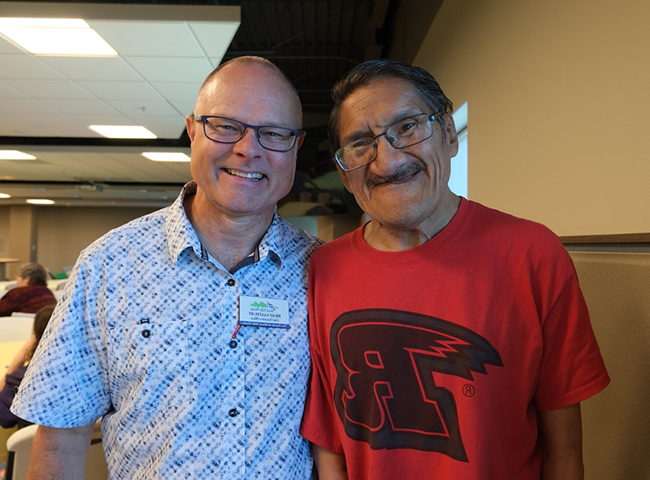
Our strategic direction focuses on helping individuals with disabilities live meaningful, independent lives in their communities. This includes strengthening the workforce, enhancing support for complex needs, expanding community-based services, improving transportation, advancing advocacy, growing assistive technology, developing housing options, and increasing supported employment. Together, these efforts reflect a commitment to person-centered services that empower individuals and drive lasting change.
Strategic Direction Goals:
1. Workforce Professionalization
Defining clear competencies and career pathways for Direct Support Professionals (DSPs) strengthens the workforce and elevates service quality. Focused training and internal support ensures a skilled, committed team delivering high-quality care.
2. Supports for High Needs Individuals
Adapting physical spaces and building the right skillsets across our workforce enhances support for individuals with complex behavioral and medical needs. These changes will create the conditions for people to thrive in supportive environments.
3. Growing Community-Based Integrated Services
Expanding partnerships and community-based services helps people engage, contribute, and belong beyond facility walls. Education and connection open doors to meaningful participation in everyday life.
4. Transportation Optimization
Exploring efficient transportation solutions helps people access their communities while reducing reliance on costly models. By integrating community-based and natural support systems, we ensure greater freedom and lower costs.
5. Advocacy
Empowering individuals, families, and staff to navigate and influence policy is crucial to effective advocacy. Through education and strategic groundwork, we strengthen voices to drive meaningful change.
6. Supportive Technology Growth
Increasing assistive technologies and remote supports enhances independence and addresses staffing shortages. These innovations empower individuals and improve service delivery with optimized resources.
7. Housing Options and the Future of Legacy Group Homes
Revamping legacy group homes and developing new affordable, accessible housing provides modern living options. Strategic partnerships and innovative funding models bridge the gap between affordability and development costs.
8. Individual Supported Employment Growth
Enhancing individual supported employment opportunities and expanding job coaching services will meet rising demand for personalized 1:1 support. This empowers individuals to succeed in private sector roles, ensuring long-term career success.