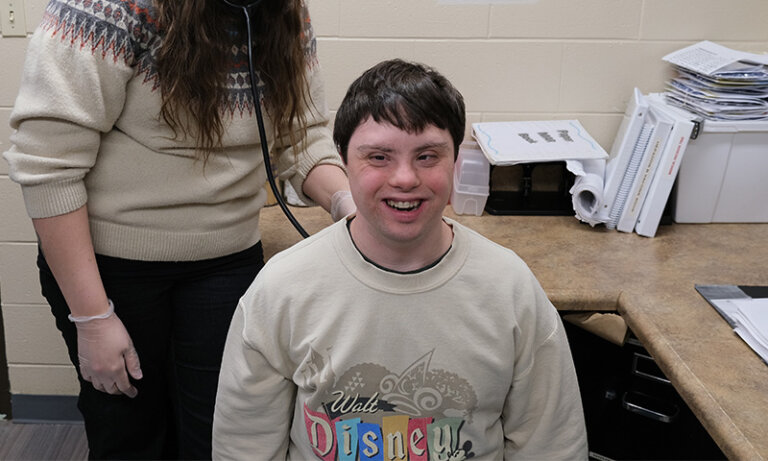
In 2025, Black Hills Works doubled the number of nurses to provide more nursing oversight and hands-on nursing care to ensure the health, safety, and autonomy of participants with complex, often misunderstood, medical needs.
The nursing department was expanded to include one Director of Nursing, seven staff nurses serving residential, supported, and shared living, one RN nurse educator for staff education and training, one medical secretary, and seven Medical Support Assistants to support appointments. The department also worked with Legacy On-Call Nursing for nights, weekends, and holidays, with Dr. Maulik Trivedi serving as Medical Director.
This work is grounded in the reality that people with intellectual and developmental disabilities face higher rates of chronic, complex conditions and disparities in care. In-person nursing provides essential, person-centered support that goes beyond routine care to prevent complications, enhance quality of life, and foster independence.
To strengthen that support in day-to-day settings, Nurse Educator Jessi Pfleger developed a formal Direct Support Professional and residential staff clinical education program. The program is designed to equip direct support staff, families, and individuals with the knowledge and skills necessary for high-quality, person-centered support and to bridge the gap between complex medical needs and daily care.
Alongside internal staffing and training, Black Hills Works partnered with Legacy On-Call Nursing to provide 24-hour nursing support when internal nursing staff were not available, including nights, weekends, and holidays.
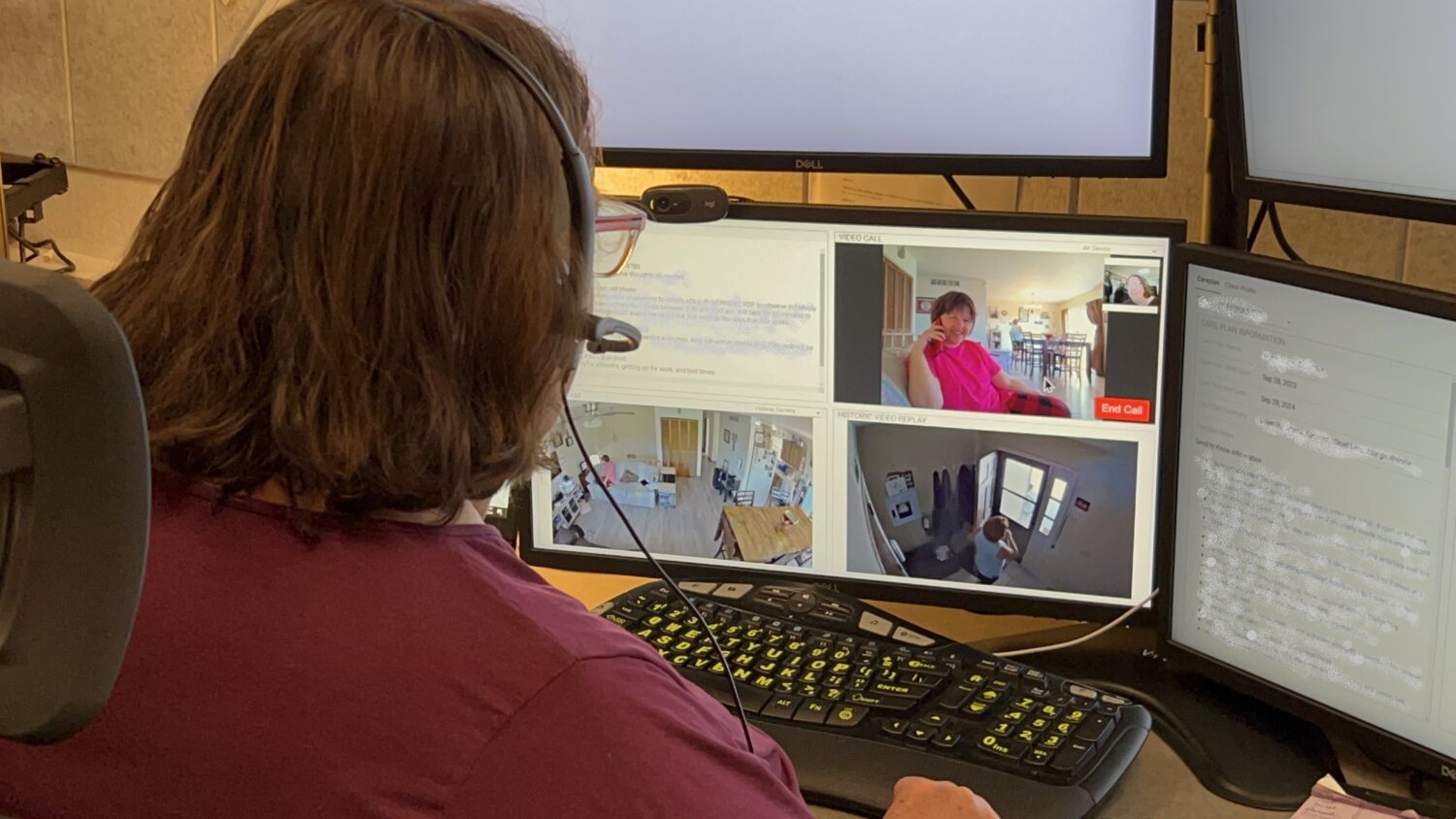
Health and clinical outcomes in 2025 reflect how this work is carried out across services. Efforts included reducing emergency room and urgent care visits through nursing support combined with StationMD telehealth. Immunization rates were tracked over a five-year period to identify opportunities to improve vaccination rates for influenza, COVID, and other required immunizations.
Medication management included daily medication administration record (MAR) management and annual or as-needed medication reviews with a pharmacist, with particular attention to antipsychotic medications. To reduce medication errors and improve participant safety, a new electronic MAR system, QuickMAR, and medication scanning were implemented.
Weight and nutrition were monitored monthly in collaboration with Registered Dietitian Kelsey Egan, along with training for staff and participants to support healthy choices. A fall prevention program, developed in collaboration with Alexa Steve, included home safety assessments and evidence-based interventions such as balance and strengthening exercises, medication review, staff education, and evaluation of vision and hearing.
Staff education on the “Fatal Five” supported early intervention and prevention of serious complications. The department also provided RN oversight for Shared and Supported Living programs, offering clinical resources, medication management, and healthcare advocacy to promote independence and improved quality of life.